Introduction
Dysphagia, or difficulty swallowing, is a condition that influences plenty of people across different age. Whether as a result of aging, neurological problems, or various other clinical problems, dysphagia can substantially influence a person's quality of life. For nurses and care staff, understanding dysphagia is important not simply for offering suitable care however likewise for making sure effective communication with patients who might have problem with expressing their requirements. This write-up delves into the significance of Dysphagia Training for Registered nurses: Bridging the Void in Client Communication, discovering various facets such as training programs, sensible applications, and the total relevance of improving communication in care settings.
Understanding Dysphagia
What is Dysphagia?
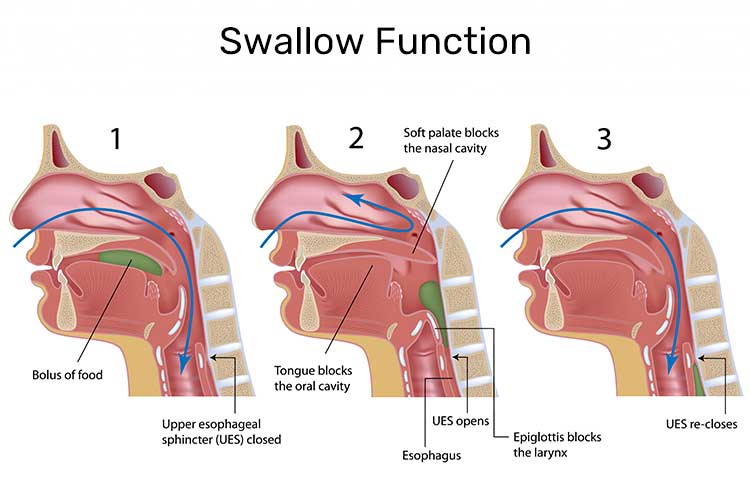
Dysphagia describes the difficulty in swallowing that can occur at any kind of phase of the ingesting procedure: oral, pharyngeal, or esophageal. Clients may experience discomfort while eating or drinking and may even take the chance of desire, leading to severe difficulties such as pneumonia.
Types of Dysphagia
Dysphagia can be categorized into 2 primary kinds:
Oropharyngeal Dysphagia: Trouble starting the ingest reflex. Esophageal Dysphagia: Trouble relocating food down with the esophagus.Causes of Dysphagia
There are several root causes of dysphagia that include:

- Neurological conditions (e.g., stroke, Parkinson's disease) Structural problems (e.g., lumps) Muscular problems (e.g., muscular dystrophy) Aging process
The Relevance of Dysphagia Training for Nurses
Enhancing Patient Safety
One considerable reason for carrying out dysphagia training for nurses is to improve person security. Correct recognition and administration of dysphagic signs can avoid aspiration pneumonia and malnutrition.
Improving Individual Outcomes
Research has actually shown that clients obtaining treatment from trained staff show better results. With appropriate training, registered nurses can create tailored treatment plans that resolve specific client needs related to ingesting difficulties.
Components of Reliable Dysphagia Training
Curriculum Overview
A comprehensive dysphagia training course need to cover different crucial locations:
- Anatomy and physiology pertaining to swallowing Assessment techniques Individualized care planning Nutritional considerations Communication strategies
Hands-On Skill Development
Training ought to not be restricted to academic knowledge; practical abilities are similarly essential. Workshops that replicate real-life circumstances permit registered nurses to exercise analyses and interventions effectively.
Dysphagia Care Training Programs
Types of Courses Available
There are several sorts of dysphagia training courses offered for healthcare experts:
Basic training courses focusing on essential knowledge. Advanced courses resolving complex cases. Specialized workshops on nutritional assistance in dysphagic patients.Online vs In-Person Training
Both online and in-person options have their benefits:
- Online programs offer flexibility. In-person training fosters partnership and hands-on skills.
Implementing Dysphagia Protocols in Medical Settings
Developing Institutional Guidelines
Nurses play a vital function in developing dysphagia protocols within their establishments. Working together with speech specialists and dietitians makes certain a multidisciplinary approach.

Regular Staff Training Sessions
Continuous education and learning is necessary. Routinely arranged training sessions assist keep staff updated on ideal practices pertaining to dysphagic patients.
Communication Techniques for Nursing Staff
Active Paying attention Techniques
Effective communication begins with energetic listening. Registered nurses need to be attentive to verbal hints from patients experiencing dysphagia while also being observant of non-verbal signals.
Simplifying Instructions
Clear interaction is vital when instructing patients about nutritional alterations or swallowing techniques. Making use of straightforward language aids prevent misunderstandings.
Utilizing Technology in Dysphagia Care
Telehealth Consultations
Telehealth has actually come to be an invaluable resource during current times. It enables registered nurses to consult specialists concerning dysphagic individuals without requiring physical visits.
Mobile Applications for Monitoring
Various applications exist that assistance track dietary intake and symptoms related to dysphasia. Nurses can make use of these tools to monitor individual progress effectively.
Patient-Centered Method in Dysphagic Care
Involving People in Their Care Plans
Encouraging client involvement improves conformity and satisfaction degrees pertaining to therapy strategies focused on handling dysphonia.
Family Education and learning and Support
Educating member of the family regarding just how they can help patients with dysplasia develops an encouraging environment for recovery.
Barriers to Effective Communication Regarding Dysphasia
Language Barriers
Patients who speak different languages may struggle more with communicating their needs relating to ingesting problems. Identifying interpreters comes to be crucial here.
Cognitive Impairments
Patients dealing with cognitive problems may locate it challenging to express their experiences with dyslexia; for this reason adapting interaction strategies ends up being essential.
The Duty of Interdisciplinary Teams
Collaboration Amongst Health care Professionals
An interdisciplinary approach including speech-language pathologists, dietitians, and nursing staff makes certain comprehensive care customized particularly toward managing dyslexia effectively.
Evaluating the Performance of Training Programs
Assessing Expertise Retention Post-Training
It's important not just to implement training but also evaluate its effectiveness gradually through tests or practical ability demonstrations post-training sessions.
FAQs Section
What does 'dysphagia' mean?- Dysphagia refers to problem ingesting due to numerous medical problems influencing the muscle mass involved in the swallowing process.
- Specialized training gears up nurses with expertise about analysis techniques, secure feeding techniques, and reliable communication strategies crucial for taking care of individuals with dysplasia.
- Topics typically include makeup pertaining to ingesting auto mechanics, evaluation techniques, dietary alterations, aspiration prevention techniques etc.
- Regular updates are recommended-- at the very least every year-- to guarantee all team stay experienced about current finest practices.
- Absolutely! Telehealth appointments provide simpler access to specialists while mobile applications permit tracking signs efficiently.
- Signs include coughing while eating/drinking, trouble chewing/swallowing food products securely & & inexplicable fat burning over time among others.
Conclusion
The significance of effective interaction can not be overemphasized when it involves taking care of people suffering from dyslexia; hence highlighting ample preparation through appropriate academic opportunities continues to be vital within Click to find out more healthcare systems today! The integration of complete Dysphaigia Training programs will most certainly bridge voids in between caregivers & & those they offer-- inevitably leading towards improved wellness end results! It's important currently more than ever that we prioritize Dysphaigia Support, ensuring every registered nurse feels great tackling this elaborate facet head-on!